ABSTRACT: A general overview of molecular dynamics in liquid crystals is presented, which will serve as the basis for our discussion of ESR experiments.
ESR and Slow Motions in Liquid Crystals J.H. Freed, A. Nayeem, and S.B. Rananavare. In The Molecular Dynamics of Liquid Crystals; G. Luckhurst and C. Veracini, Eds. Kluwer: Dordrecht, Netherlands, 1994; Chapter 15, pp. 365-402.
ABSTRACT: The theory of slow motional ESR is outlined, with applications to nitroxide spectra in liquid crystals. The computer algorithms for implementing the theory based on the stochastic Liouville equation are also discussed.
ABSTRACT: Order parameter fluctuations at mesomorphic phase transitions modulate the molecular dynamics of spin probes, thereby affecting spin relaxation. The anomalous relaxation rates at the phase transitions (T*) often diverge as ∣T - T*∣γ, where γ is a critical exponent, and has been noted to be universal. For N-I transitions, γ = -½, and for SA−N transitions, γ = −⅓. Theoretical models are discussed that provide a unified framework for rationalising the experimental results.
ABSTRACT: Molecular theories, derived from ESR studies of molecular dynamics, that provide a basis for understanding the stability of phases of thermotropic and lyotropic liquid crystals, are discussed.
ABSTRACT: Theoretical and experimental aspects of spin relaxation in liquid crystals are considered here, with primary emphasis on the motional narrowing regime. ESR studies of translational motion in mesophases are also described.
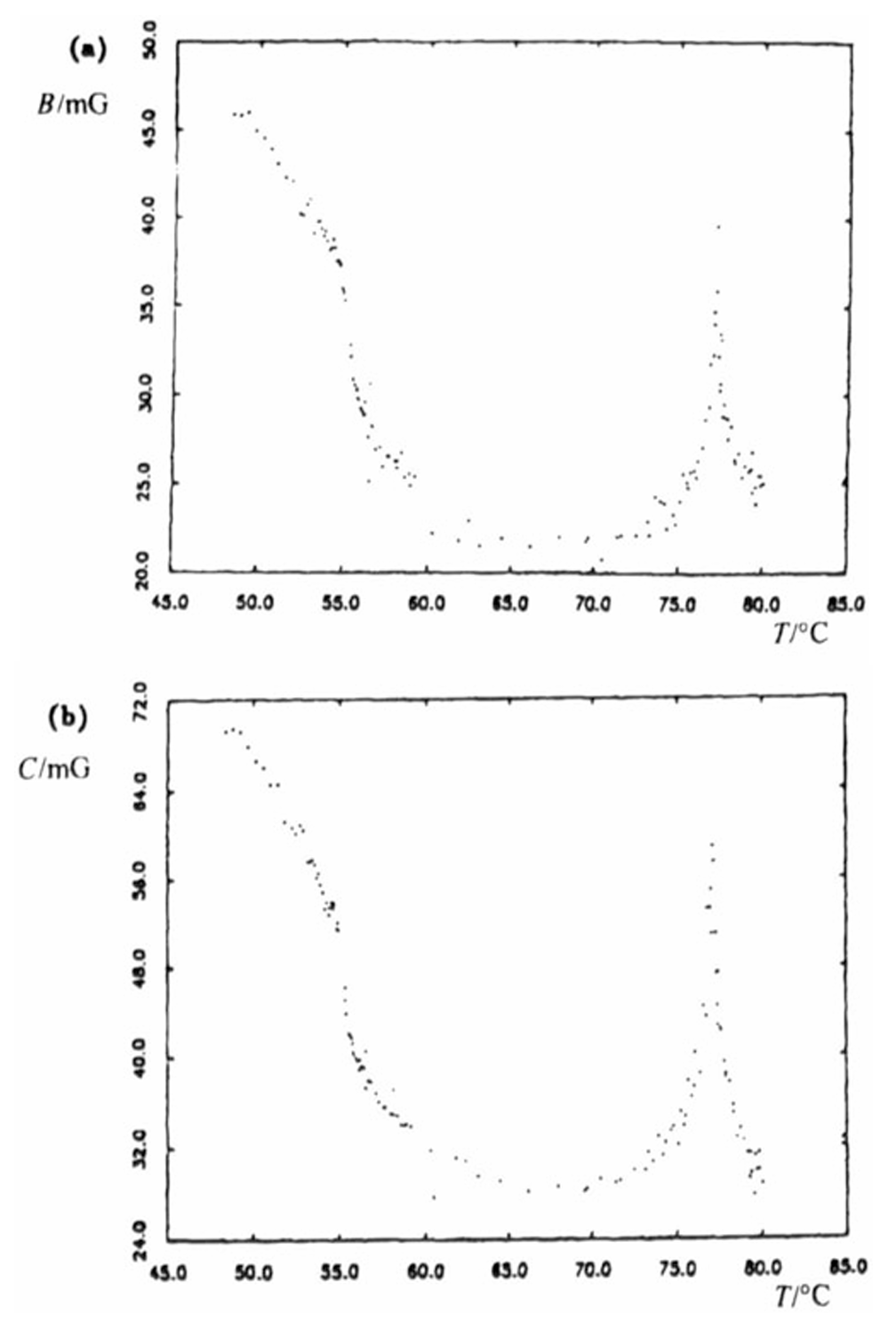
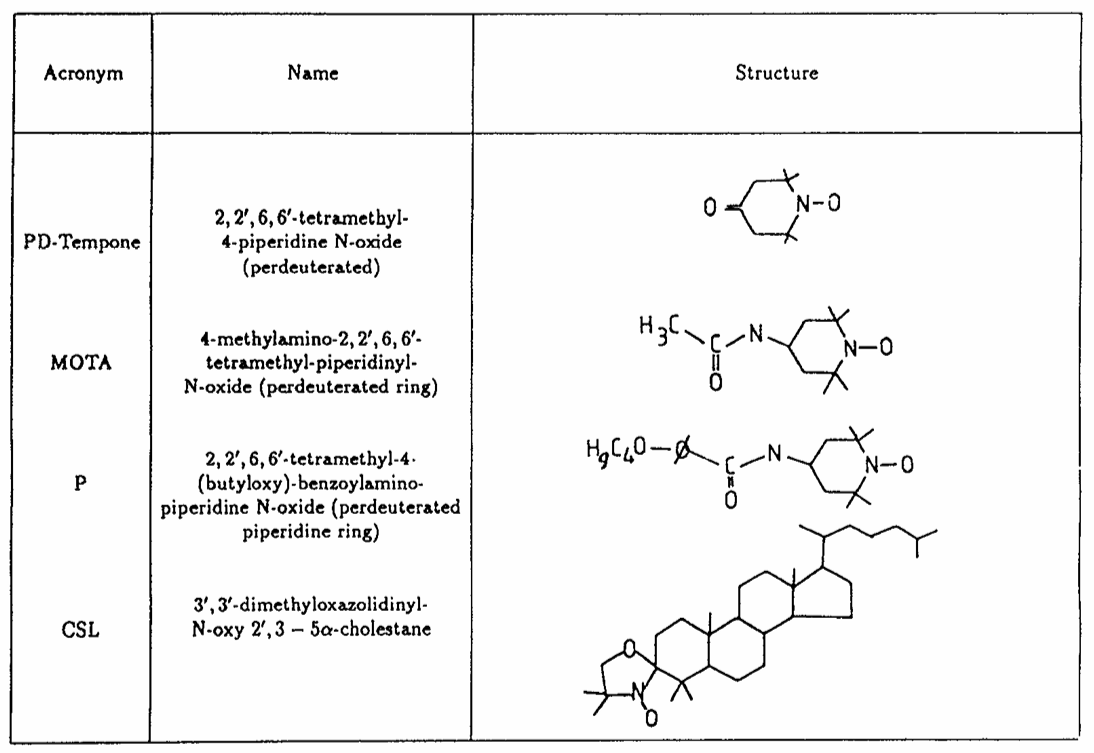
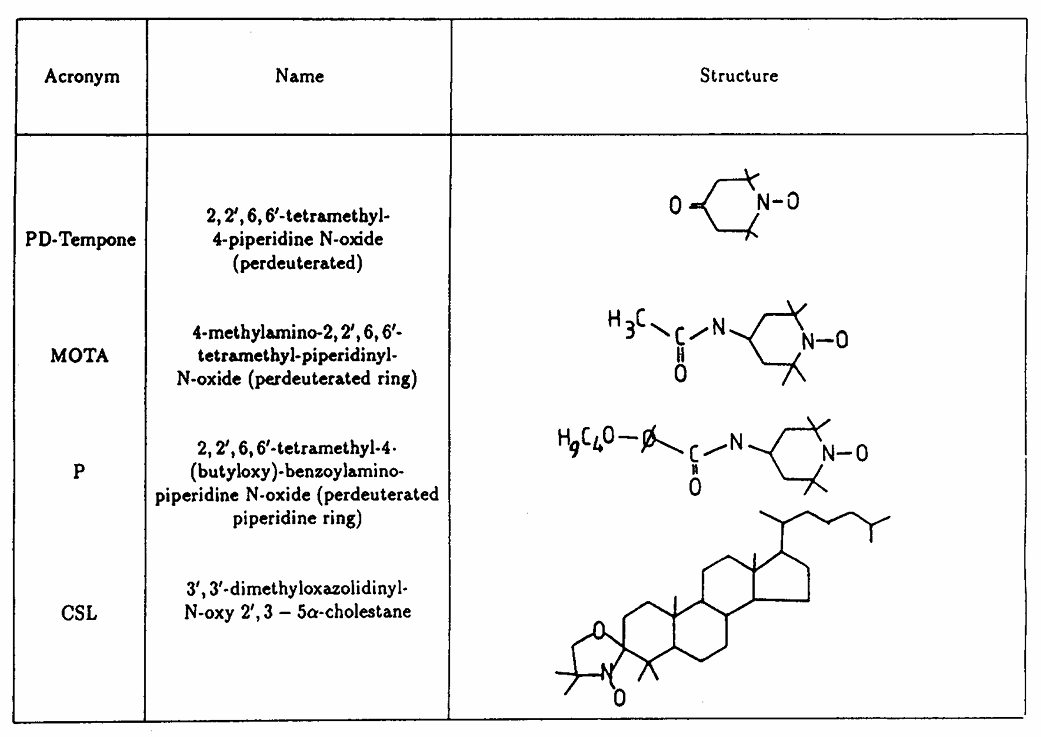
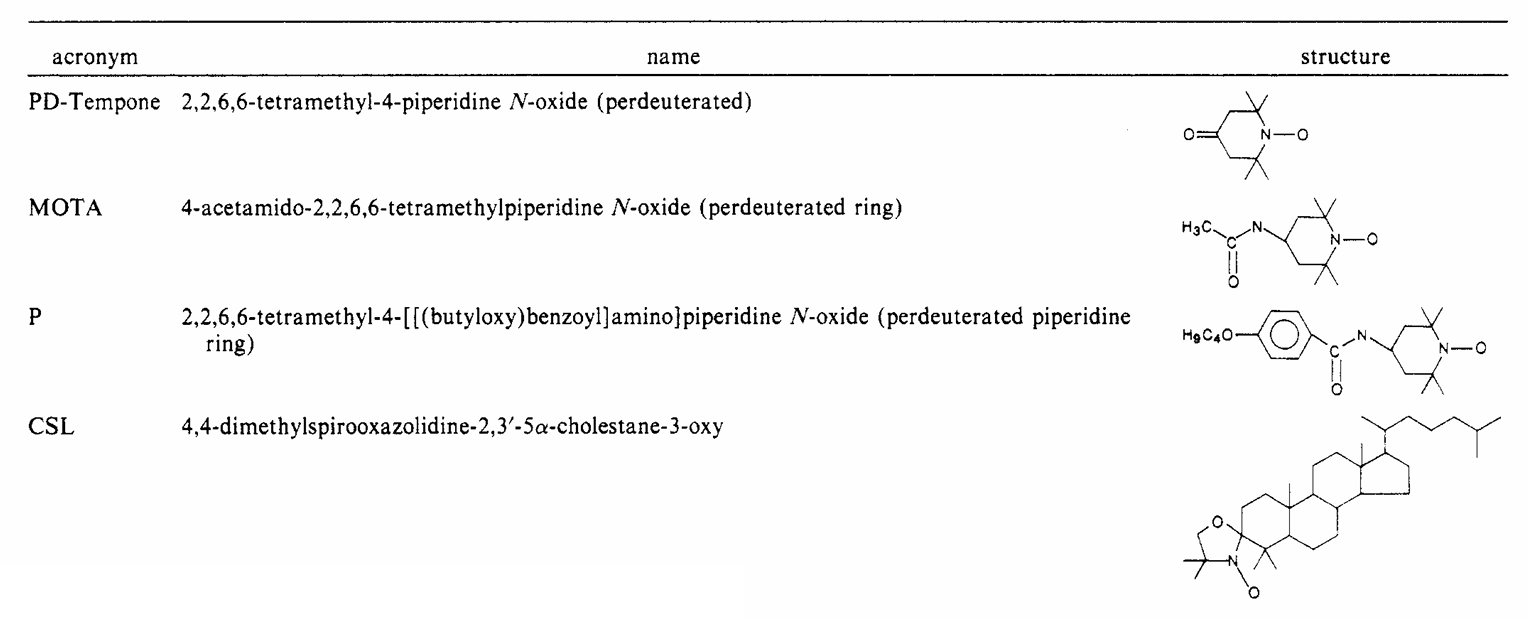
ABSTRACT: Electron spin resonance (ESR) relaxation studies at nematic–isotropic (N–I), and nematic–smectic-A (N–SA) phase transitions in two liquid crystals, 4O,6 and 6OCB–8OCB, using the three spin probes, PD-tempone, MOTA, and P are described. In general, one finds that (i) at the N–I transition, as TNI is approached, the linewidths diverge with a critical exponent of 1∕2; (ii) at the N–SA transition, the linewidths diverge with a 1∕3 power law as the transition is approached from the nematic side. The nature of the critical divergences in the relaxation parameters is interpreted and analyzed in terms of fluctuations in the nematic and smectic order parameters at the respective transitions and the coupling of the orientational dynamics of the probe to these modes. Good quantitative agreement with theory for the N–I transition required the inclusion of the effects of asymmetric probe ordering. The theory developed in detail in paper I is applied to interpret the results at the N–SA transition. This theory is extended to include the effects of the measured anisotropies in (a) translational diffusion of the probe, (b) smectic correlation lengths, and (c) dynamic scaling exponents. In general, the magnitudes of the observed effects as well as their critical exponents are of the order expected, provided the averaging of the effects of density fluctuations within a smectic layer by probe diffusion is incomplete as a result of hindered diffusion.
ABSTRACT: A theoretical model is developed for treating molecular dynamics at the nematic–smectic-A (N–SA) phase transition, which is frequently second order. This model is motivated by electron-spin-resonance (ESR) spin-relaxation studies of molecular probes. The critical dynamics of the hydrodynamic modes is described in accordance with dynamic scaling arguments of Brochard. Following Zager and Freed, the molecular dynamics of a probe molecule (governed by the molecular orientation and/or rotational diffusion) is assumed to couple to fluctuations in the smectic order parameter, because these molecular properties are a function of the precise location of the probe within the transient smecticlike layer. Two limiting cases of (1) (nearly) free translational diffusion of the probe across the smecticlike layer; and (2) expulsion of the probe to the aliphatic chains with highly hindered diffusion (i.e., jump diffusion) across the smecticlike layer are considered. The relevant spectral density shows critical types of divergence, where the exponent depends strongly on the details of the model. It is found that only the (near) zero-frequency spectral densities can show such divergences. It is pointed out that spectral densities available for spin relaxation do not truly diverge as the N–SA transition is approached arbitrarily closely, because ultimately motional-narrowing theory will no longer be valid, and fluctuations begin to be frozen on the ESR time scale. This matter is briefly analyzed. Also considered briefly are the effects of anisotropies in the smectic phase and of fluctuations in nematic director near the N–SA transition.
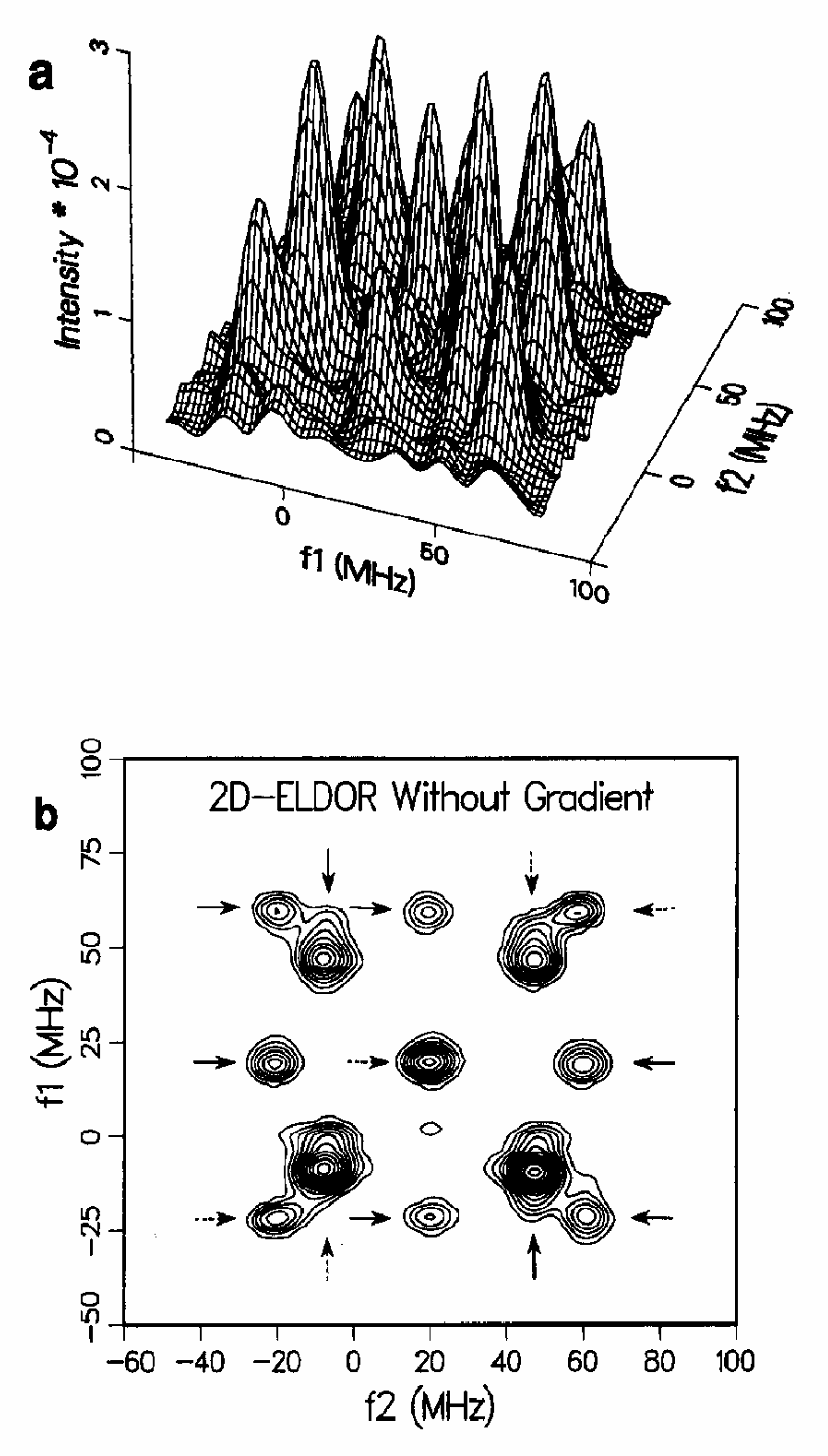
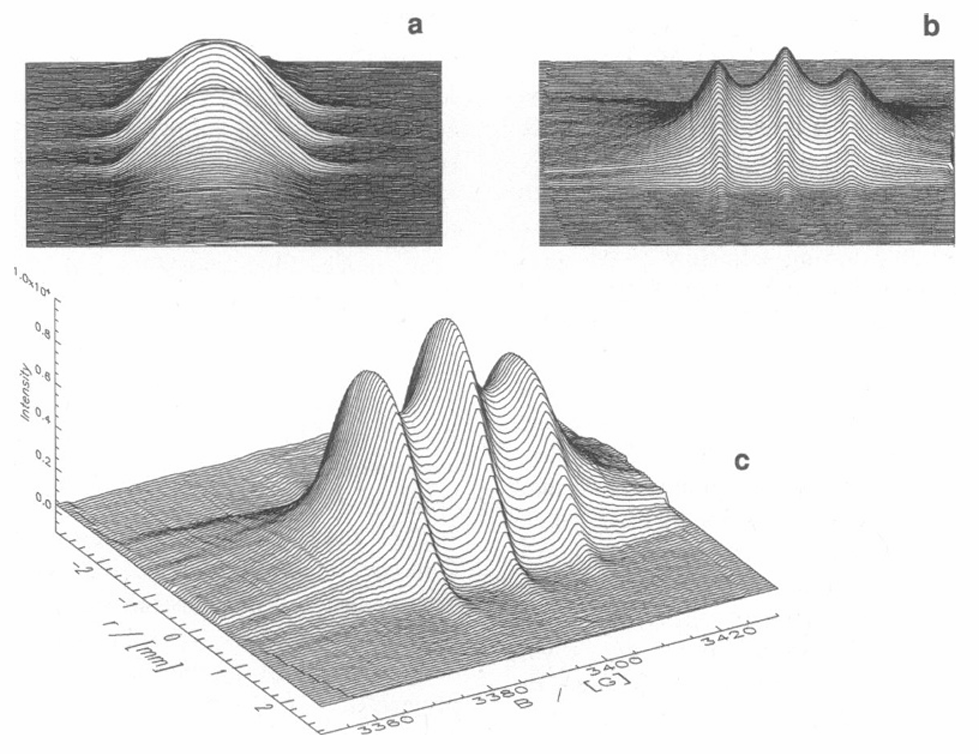
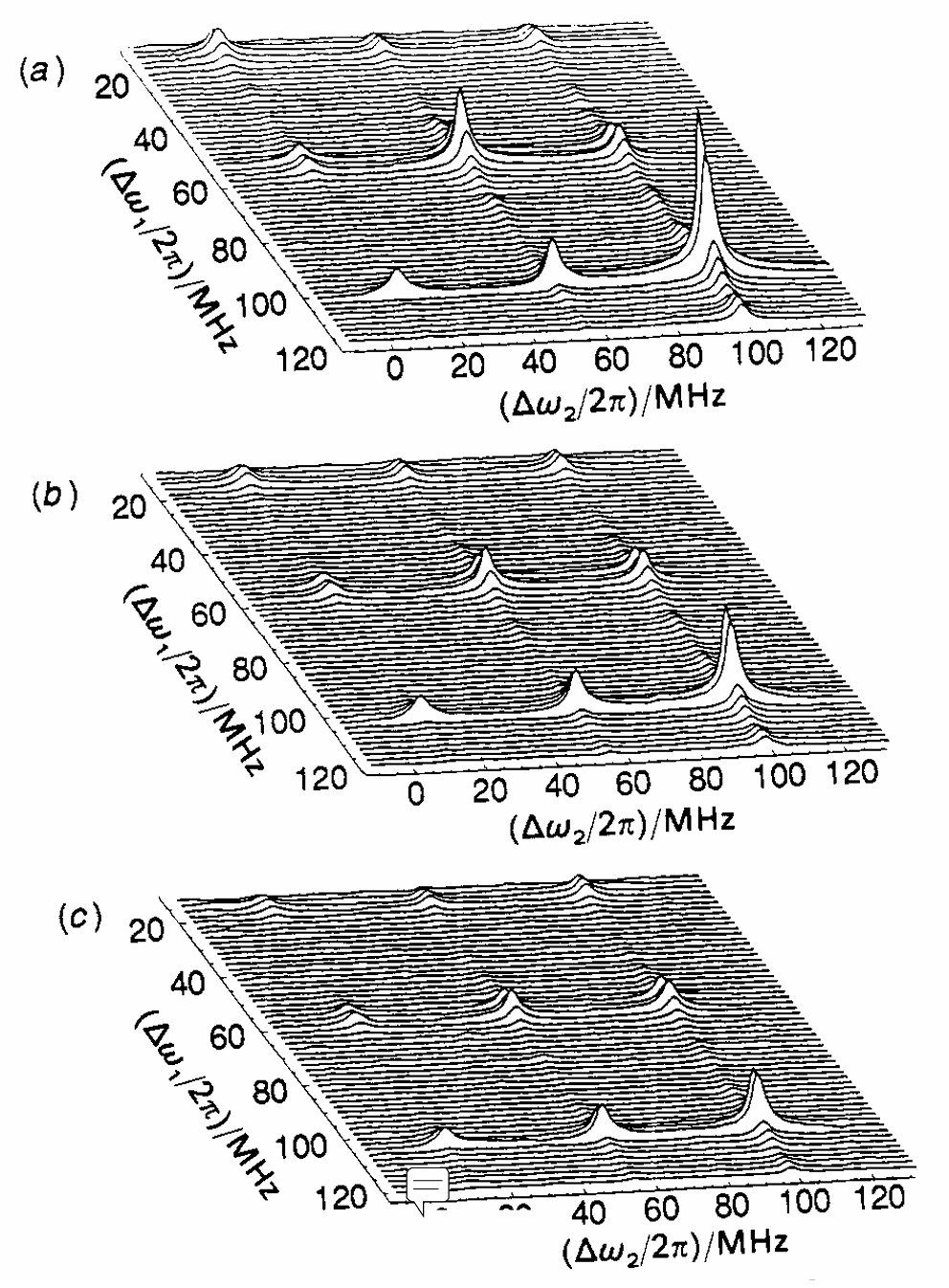
ABSTRACT: Fourier transform ESR methods have been extended to permit spatially resolved two-dimensional (2D)-ESR experiments. This is illustrated for the case of 2D-electron-electron double resonance (2D-ELDOR) spectra of nitroxides in a liquid that exhibits appreciable cross-peaks due to Heisenberg spin exchange. The use of spin-echo decays in spatially resolved FT-ESR is also demonstrated.
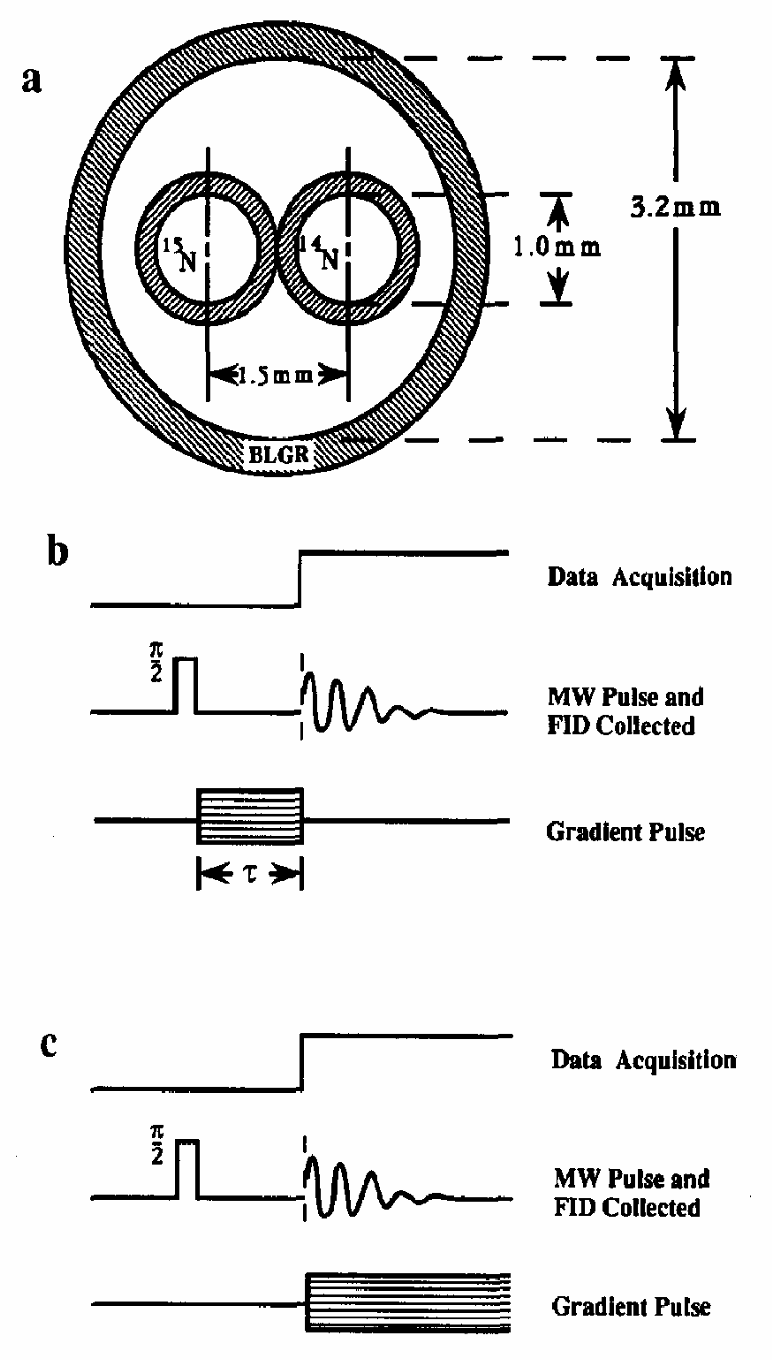
ABSTRACT: Modern Fourier transform (FT) ESR methods have been combined with fast, high power pulsed magnetic field gradients to enable FT-ESR imaging. Spectral—spatial imaging by frequency and phase encoded FT methods are compared with cw methods. The initial phase encoded results are comparable in quality to those from the well-developed cw methods and further improvements which would enhance FT-ESR imaging are noted.
The Method of Dynamic Imaging of Diffusion by EPR J.K. Moscicki, Y.K. Shin, and J.H. Freed. In EPR Imaging and In Vivo EPR; G.R. Eaton, S.S. Eaton, and K. Ohno, Eds. CRC Press: New York, NY, 1991; Chapter 19, pp. 189-219.
INTRODUCTION: Both thermotropic and lyotropic liquid crystals appeal to scientists for their unique properties of being more or less ordered while at the same time preserving a high degree of molecular mobility. Furthermore, a number of lyotropic liquid-crystalline phases show space structures relevant to biological systems. Not surprisingly, therefore, studies of the molecular dynamics in mesomorphic states of condensed matter have attracted a sustained interest over the past several years. The most fundamental characteristic of liquid-crystalline states, at least from a microscopic point of view, is the presence of long-range orientational order, while positional order is limited or absent altogether. A first step towards the understanding of the relation between molecular properties and the macroscopic structure of mesophases consists of collecting information about the local behavior of the molecule subject to a mean-ordering potential. Consequently, the rotational dynamics was vigorously studied in the past. Studies were facilitated by the existence of several techniques sensitive to molecular reorientations in external fields (dielectric relaxation, FIR, Raman, nuclear magnetic resonance or NMR, electron paramagnetic resonance or EPR, and other spectroscopies). Progress in translational diffusion measurements was much slower, despite its importance for understanding the anisotropy of mass transport, critical phenomena at liquid-crystalline phase transitions, and mass transport in model and biomembranes. It was essentially due to the lack of reliable experimental techniques enabling such studies in liquid-crystalline materials.
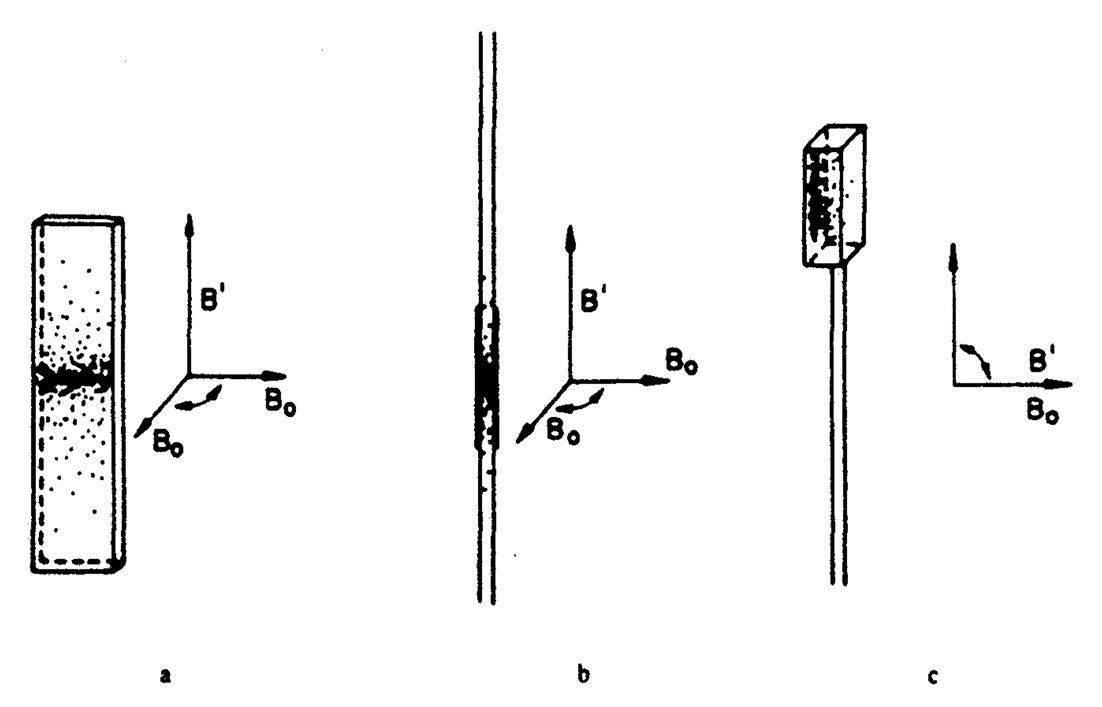
One can divide experiments designed to measure the translational diffusion constant, D, into two general categories. A "macroscopic" method involves diffusion over distances, several orders of magnitude larger than molecular dimensions, whereas a "microscopic" method measures diffusion over dimensions on the order of molecular lengths. Early efforts on mesomorphic materials were essentially restricted to the first category and involved impurity diffusion across the sample. These include chemical, optical, and radioactive probes, charge carriers, and NMR with pulsed gradients. In the last decade, there was a rapid development in experimental techniques which permit the diffusion coefficient to be measured spectroscopically. Macroscopic diffusion coefficients are directly measured from NMR field-gradient spin echoes. Macroscopic techniques employed to measure diffusion of spin probes and spin labels include that of Sheats and McConnell which requires selective photobleaching of a sample and that of Ahn which applies the capillary-diffusion method to EPR and requires a great deal of measurement time. Recently, EPR imaging has been intensively applied to study mass transport in liquids, thermotropic liquid crystals, model membranes, and biologically relevant polymers.
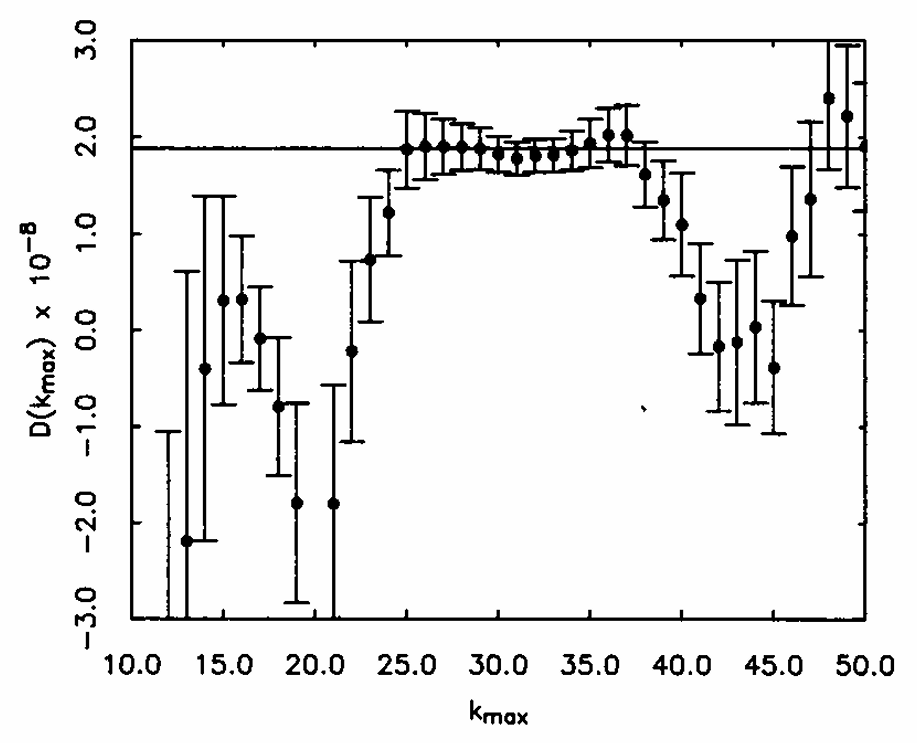
ABSTRACT: The macroscopic and the microscopic diffusion coefficients of a phospholipid spin label (16-PC) in the model membrane 1-palmitoyl-2-oleoyl-sn-glycero-phosphatidylcholine have been measured simultaneously in the same sample utilizing the new technique of spectral-spatial electron spin resonance imaging. The macroscopic diffusion coefficient Dmacro for self-diffusion of 16-PC spin label is obtained from imaging the concentration profiles as a function of time, and it is (2.3 ± 0.4) × 10-8 cm2∕s at 22°C. The microscopic diffusion coefficient Dmicro for relative diffusion of the spin probes is obtained from the variation of the spectral line broadening with spin label concentration, which is due to spin-spin interactions. Dmicro is found to be substantially greater than Dmacro for the same sample at the same conditions, and is estimated to be at least (1.0 ± 0.4) × 10-7 cm2∕s. Possible sources for their difference are briefly discussed in terms of the models used for Dmicro.
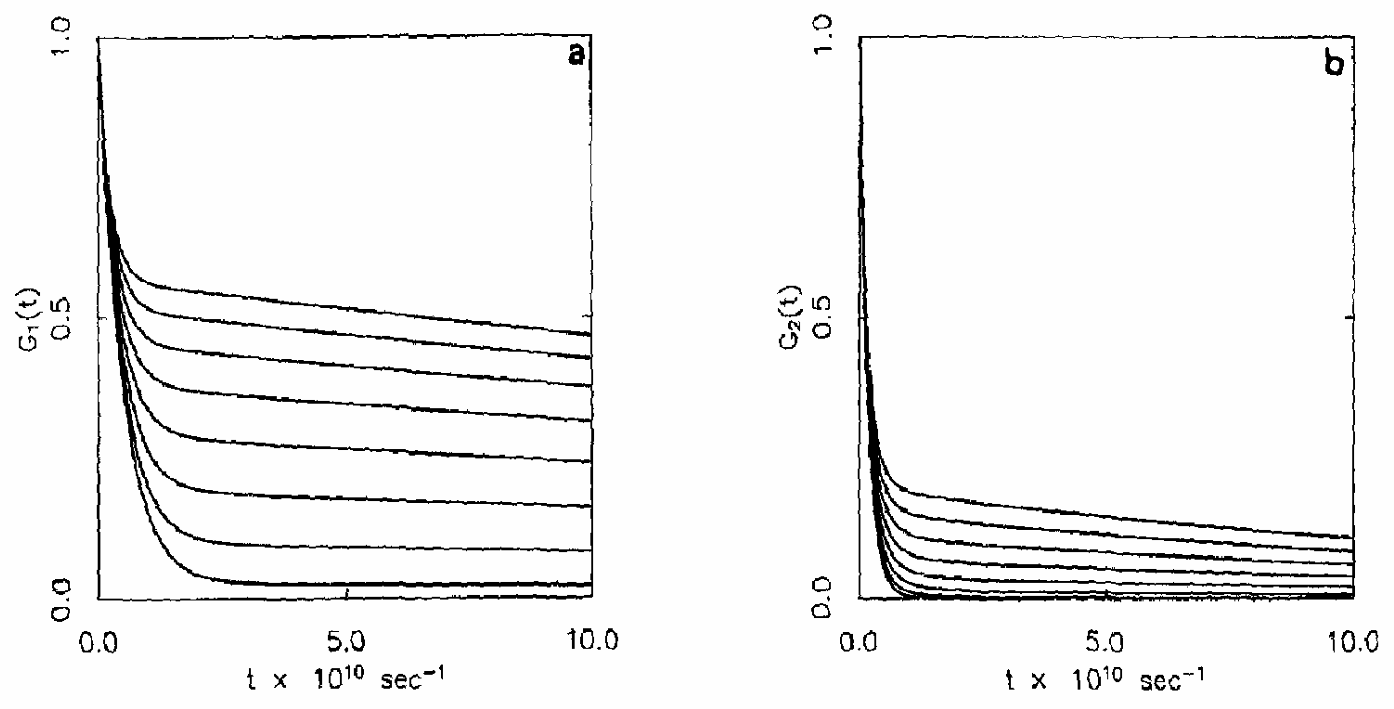
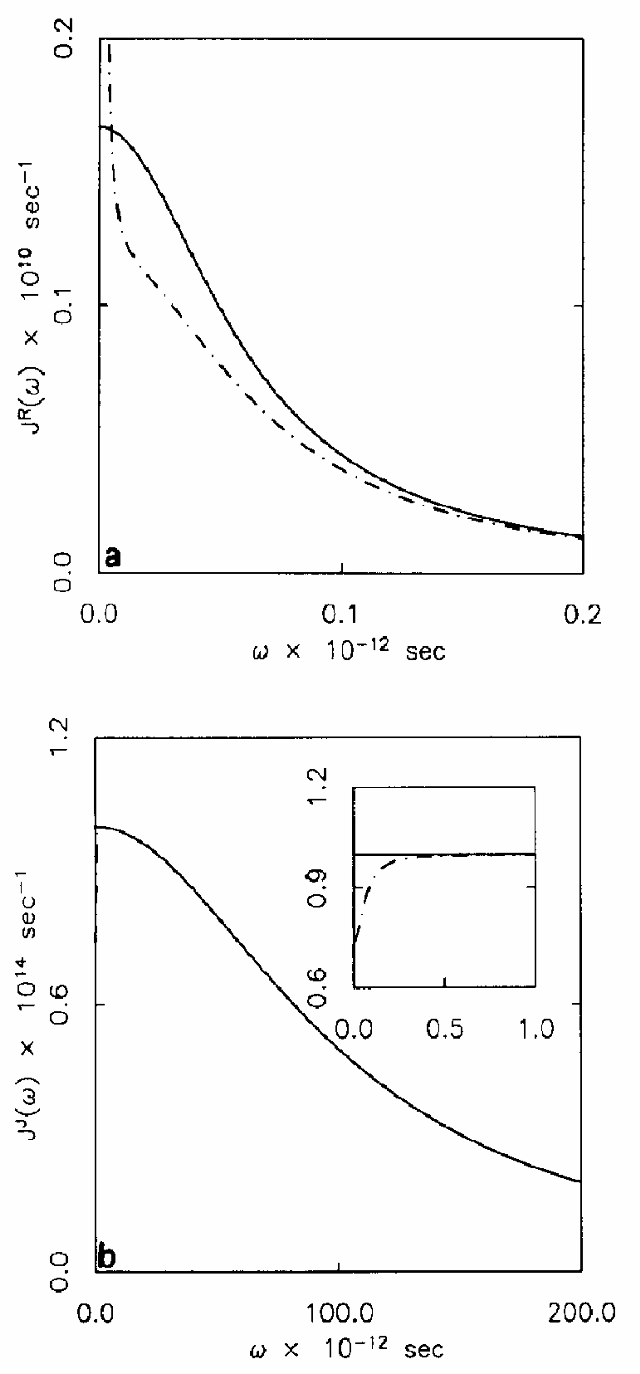
ABSTRACT: A two-body Smoluchowski equation, including a solute molecule and a collective solvent mode, is developed for studying reorientational dynamics in complex fluids. Multiexponential decay correlation functions for first- and second-rank observables are computed. They exhibit bifurcation and other properties related to typical observations on glassy and supercooled liquids.
ABSTRACT: A multidimensional Fokker-Planck-Kramers equation for rotational relaxation of small solutes in complex liquids is developed wherein collective solvent effects are explicitly represented by rotating torques and stochastic fields. A simplified version of the model is applied to interpret the breakdown of the Hubbard-Einstein relation at high viscosities.
ABSTRACT: The last few years have seen important new advances in EPR which have the possibility of revolutionizing the applications of EPR in chemistry and related fields. New methods include (a) two-dimensional and Fourier-transform EPR; (b) far-infrared EPR (with 1 mm waves); (c) dynamic imaging of diffusion by EPR; (d) powerful computational algorithms for spectral simulation. These new methods and their implications for chemical research are discussed.
Two-Dimensional Electron Spin Resonance J. Gorcester, G.L. Millhauser, and J.H. Freed. In Modern Pulsed and Continuous-Wave Electron Spin Resonance, L. Kevan and M. Bowman, Eds. Wiley: NY, 1990; Chapter 3, pp. 119-194.
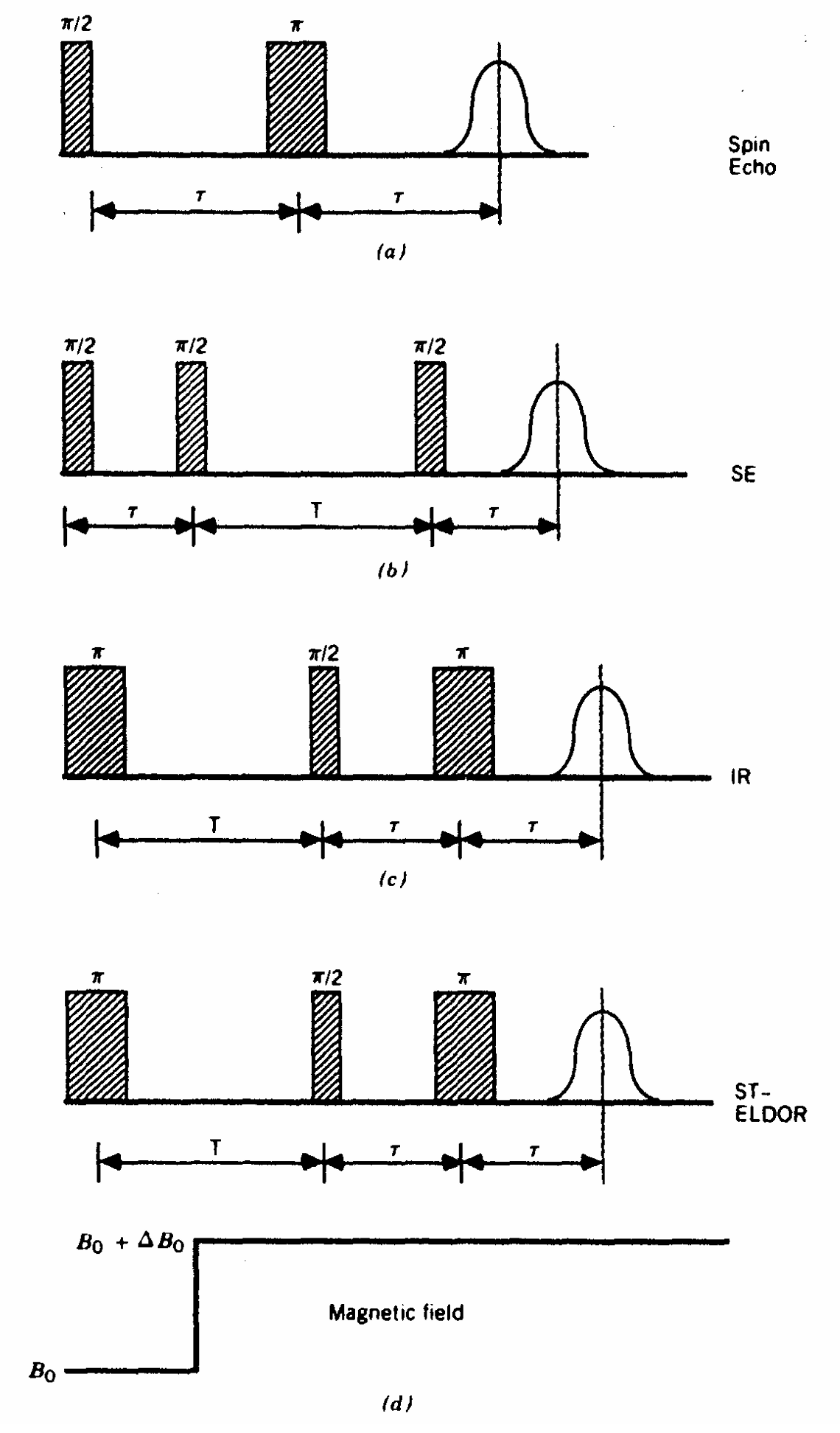
INTRODUCTION: In 1979 one of us wrote a review in which a general formulation of time-domain ESR was described, and it was applied to saturation recovery ESR spectroscopy. In the same volume, Stillman and Schwartz provided a summary of the initial efforts in utilizing this formulation for ESR spin echoes and ENDOR spin echoes. Since that time there have been many experimental and theoretical developments on the subject of time-domain ESR, spin relaxation, and motional dynamics. We focus primarily (but not exclusively) in this chapter on the developments in time-domain ESR that pertain to studying molecular motions in condensed phases. Whereas the initial studies were based on spin-echo measurements of T2 (or TM, the phase-memory time) and T1, summarized in part in Section 2, the new developments have emphasized the advantages of two-dimensional spectroscopies that enable one to resolve more of the spectral and relaxation details that relate to motions.
These developments have occurred in two stages. Millhauser and Freed, realized that a conventional electron spin-echo (ESE) spectrometer could readily be modified to produce magnetic-field swept ESE decays, and then a single fast Fourier transformation (FFT) yields a 2D spectrum. The first type, described in Section 3, provides a mapping of the homogeneous line shapes across the inhomogeneous ESR spectrum, and it is very sensitive to the details of the motional dynamics. A second type, described in Section 4, provides a mapping of the cross-relaxation rates from each point in the spectrum and is also very informative of the motional dynamics.
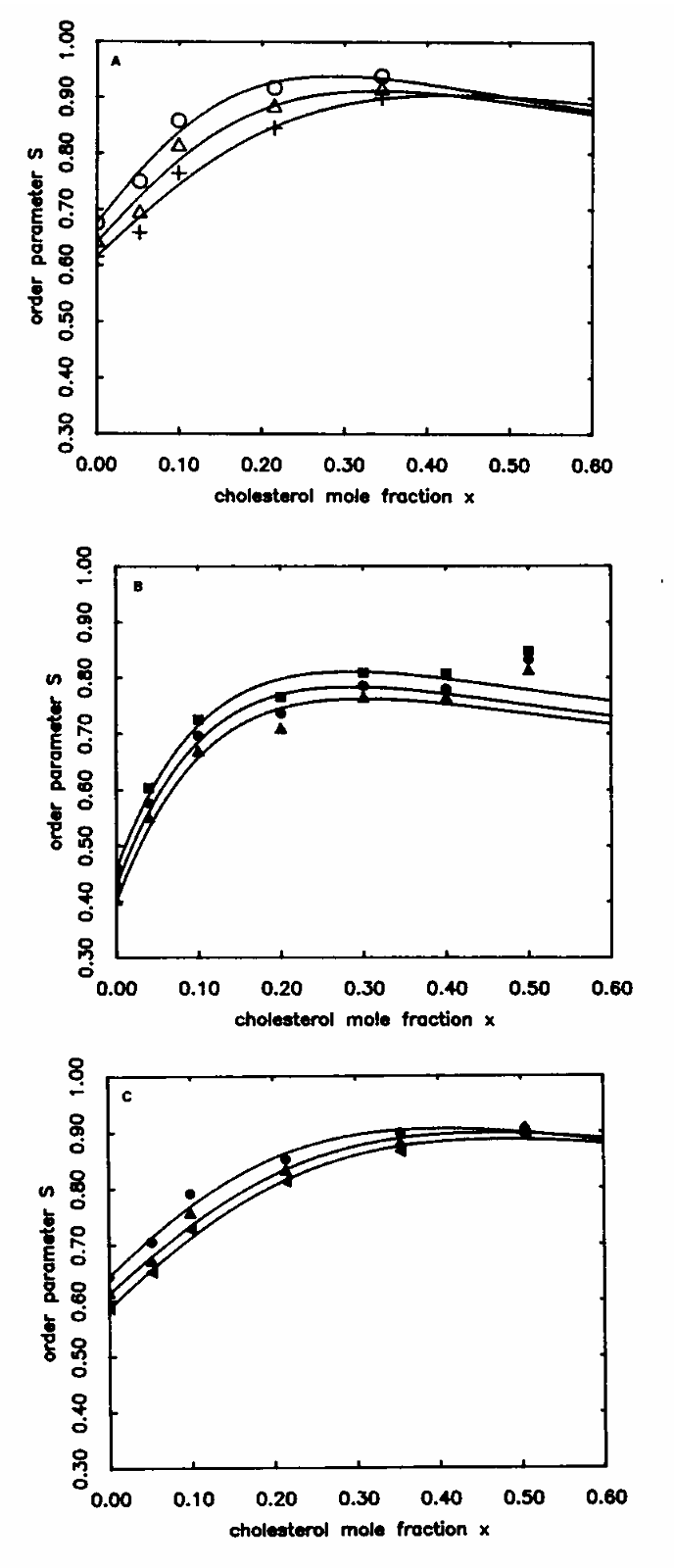
ABSTRACT: The effects of cholesterol on the dynamics of cholestane spin probe (CSL) in various phosphatidylcholine-cholesterol mixed model membranes are examined. The lateral diffusion, D of CSL in DMPC∕POPC∕cholesterol ternary mixtures, is measured utilizing an improved dynamic imaging electron spin resonance method. It shows a factor of two decrease at 10 mol % and 25°C, whereas it shows only a 40% decrease at 50 mol % and 50°C. A comparison with results in POPC∕cholesterol mixtures, which show a stronger effect of cholesterol on D, indicates that acyl chain unsaturation leads to stronger self association of cholesterol in PC model membranes. An S2CSL dependence of the activation energy for D, has been confirmed for the DMPC∕POPC∕cholesterol mixtures. Here SCSL is the order parameter for CSL. A similar correlation of R⊥, the perpendicular component of the rotational diffusion coefficient, with SCSL, which is true for all three mixtures (DMPC∕cholesterol, POPC∕cholesterol, and DMPC∕POPC∕cholesterol) we have studied, is also found. These are associated with the effects of enhanced local ordering on the free volume needed for translation and reorientation. Such correlations of dynamic properties D and R⊥ with the thermodynamic quantity S, as well as the consistent interpretations of the effect of acyl chain unsaturation on the dynamics in terms of the activity coefficients, strongly emphasize the interrelation between the dynamic structure and the thermodynamics of the PC∕cholesterol mixtures.
ABSTRACT: It is shown that good estimates of the activity of cholesterol in phosphatidylcholine-cholesterol mixed model membranes are obtained by examining the orientational order parameter S of cholestane spin probe (CSL) that is obtained from electron spin resonance by spectral simulation. By introducing thermodynamic stability conditions of liquid mixtures, the variation of activity (or S) as a function of cholesterol mole fraction is utilized to predict the concentration at which the phase separation occurs. These results for DMPC and cholesterol binary mixtures agree very well with those of Tempo-partitioning experiments. The comparison of activity coefficients and the phase boundary in DMPC/cholesterol mixtures with those of POPC/cholesterol mixtures suggests that acyl chain unsaturation leads to poorer mixing of cholesterol in phosphatidylcholine model membranes at higher temperatures (i.e., >35°C). In ternary solutions of DMPC, POPC, and cholesterol, it is found that cholesterol shows less deviation from ideality than in either of the two binary mixtures, and this implies that the phase separation occurs at higher cholesterol concentration than in either of the two binary mixtures. The present analysis suggests that there may not be a critical point in DMPC/cholesterol mixtures, even though phase separation does occur.
ABSTRACT: Heisenberg spin exchange (HE) studies of translational diffusion of the nitroxide radicals PD-tempone and P probe in two liquid crystalline solvents 6OCB–8OCB and 4O,6 are described. It is shown that while PD-tempone undergoes strong exchange in the two solvents, the more anisotropic P-probe exhibits a tendency toward weak exchange which becomes more prominent in the low temperature mesophases. The molecular diffusion rates measured from our HE studies are compared with rates measured over larger distances using electron-spin resonance (ESR) imaging methods; we find that, in similar thermotropic liquid crystals, the former are somewhat faster. Also, while diffusion rates for PD-tempone (using HE) in the ordered phases of 6OCB–8OCB are consistent with a single activation energy, those in 4O,6 show variations; suggesting that probe expulsion from core to chain regions in the former most likely occurs prior to SA formation, whereas in the latter it occurs in the SA phase. The absence of discontinuities in our diffusion data at the N–SA–RN transitions supports the belief that these transitions are subtle, with nothing dramatic occurring as the reentrant nematic (RN) phase is formed. The effect of including a potential of mean force U(r) between colliding radicals due to the liquid-crystal structure, is also considered. Our analyses indicate that the potential is of a repulsive nature [i.e., U(d)>0] suggesting the possibility of solvent molecules inhibiting collisions of radicals at distances shorter than the sum of their solvated radii. The influence of orientational ordering on HE involving nonspherical radicals is considered, but changes from strong to weak exchange in the ordered phases appear to depend on how τ1 the lifetime of the interacting radical pair is influenced by U(r). A careful effort is made to separate the HE effects from the intermolecular electron–electron dipolar (EED) interactions. It is suggested that anomalies in D obtained from HE vs EED in this and earlier studies may also be rationalized in terms of the effects of U(r).
ABSTRACT: ESR studies of anisotropic ordering and molecular dynamics using a variety of spin probes (PD-Tempone, MOTA, P-probe, and CSL) in a reentrant nematic (RN) liquid crystal mixture, 6OCB-8OCB, are described. In order to discern possible differences in the molecular behavior of reentrant mesogens, our results are compared with similar studies in those liquid crystals that, in spite of being structurally similar to 6OCB-8OCB (e.g., 8CB and S2, which exhibit bilayer smectic-A (SA) phases), do not exhibit reentrant behavior. Such comparisons show the following. (i) The SA-RN transition is very similar to the (normal) N-SA transition. (ii) The orientational ordering of P in the SA and RN phases of 6OCB-8OCB is consistent with more random packing of the chains than is observed in S2. It is suggested that the collective packing of the chains, which enhances the stability of the SA phase in a normal liquid crystal (e.g., S2), is frustrated in a reentrant nematic liquid crystal. (iii) The ordering of CSL, which packs with the cores, increases smoothly across the N-SA-RN transitions, showing that the packing of the aromatic cores is not sensitive to these phase transitions. In general, there are no dramatic changes in the dynamics of the probes upon entering the RN phase of 6OCB-8OCB, supporting the belief that the effects driving reentrance are very subtle. However, the reorientational dynamics of the P-probe indicate enhanced packing of the chains in the RN phase.
.svg)